

When enzyme activity may be insufficient in the body
In some individuals, digestive enzyme activity may be reduced or insufficient, leading to less efficient breakdown of food. This may result in symptoms such as:3,5
Bloating
Abdominal discomfort
Excessive gas
Diarrhoea
Over time, reduced digestive efficiency may affect nutrient absorption, which can influence bone and muscle health, and overall well-being.5
Not all digestive aids work the same way
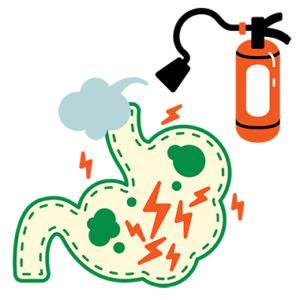 Many people reach for antacids when digestive discomfort occurs. While antacids can help with acid-related symptoms, they do not address discomfort caused by functional dyspepsia.6,15
Digestive enzyme supplements work differently. Instead of neutralising or reducing stomach acid, they help break down food components, supporting the digestive process itself.1
This distinction matters because indigestion symptoms are not always driven by excess acid. In these cases, digestive enzyme support16—such as Combizym®—can help improve digestive comfort by addressing how food is processed and broken down.
Understanding your digestive aid options
* In a randomised clinical study, symptom remission persisted for more than one week after discontinuing Combizym®.7

Combizym® (Digestive enzymes)
Helps break down proteins, fats, and carbohydrates so food is easier to digest.1,7
Antacids
Neutralises stomach acid to help relieve acid-related discomfort.6,8
Histamine-2 receptor blockers
Reduces the amount of acid produced in the stomach.11,12
Combizym® (Digestive enzymes)
Helps relieve symptoms linked to poor digestion, such as bloating, abdominal discomfort, and belching.1,7
Antacids
Helps relieve symptoms related to acid reflux, such as heartburn and acid regurgitation.6,8
Histamine-2 receptor blockers
Helps relieve acid-related symptoms such as heartburn and sour stomach.11,12
Combizym® (Digestive enzymes)
Provides sustained relief.*7
Antacids
Provides short-term relief (up to 3 hours).9,10,17
Histamine-2 receptor blockers
Provides short-term relief (4–10 hours).12